Michigan Sports and Spine Center
  • Our Providers
  • Conditions Treated
  • Live with Dr. Pierce
    • Inside Sports Medicine
  • Patient Forms
  • Contact
Select Page
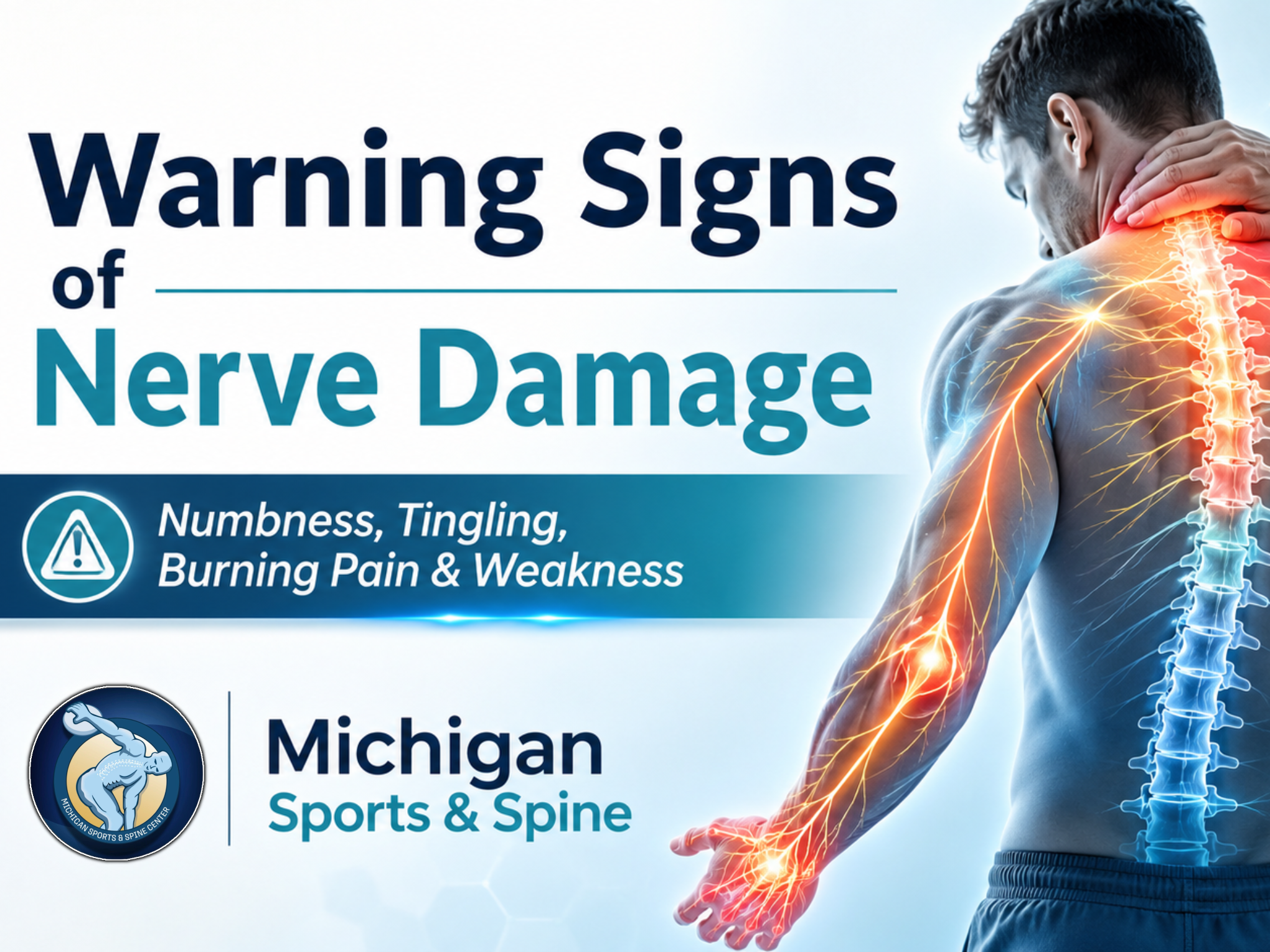
Nerve-related symptoms can be easy to ignore at first. Maybe your hand “falls asleep” more often than usual. Maybe your leg feels weak after sitting. Maybe you notice burning pain, tingling, numbness, or an electric shock-like feeling that comes and goes. But when those symptoms keep returning, spread, or begin affecting daily life, they may be warning signs of nerve damage. In a recent Michigan Sports & Spine Center video, Dr. Jeff S. Pierce discussed Michigan Sports & Spine staff, appointments, and some warning signs of nerve damage. This is an important topic because nerve issues do not always begin with severe pain. Sometimes, the earliest signs are subtle: tingling, numbness, weakness, balance changes, or pain that travels from the spine into the arms or legs. At Michigan Sports & Spine Center, the focus is on finding the source of pain through a comprehensive evaluation, proper diagnosis, and an individualized treatment plan. What Is Nerve Damage? Nerves act like the body’s communication system. They send signals between the brain, spinal cord, muscles, skin, and organs. When a nerve becomes irritated, compressed, inflamed, or injured, those signals may not travel correctly. That can lead to symptoms such as: * Numbness * Tingling or “pins and needles” * Burning pain * Sharp, stabbing, or electric-like pain * Muscle weakness * Loss of balance or coordination * Pain that travels into the arm, hand, leg, or foot Warning Sign #1: Numbness or Tingling That Does Not Go Away One of the most common signs of nerve irritation is numbness or tingling. This may feel like pins and needles, buzzing, crawling, or a body part “falling asleep.” Temporary tingling can happen from posture or pressure, but symptoms that keep returning or do not go away should be evaluated. Persistent numbness may mean a nerve is being compressed or irritated somewhere along its pathway. For example, numbness in the hand may be related to the neck, shoulder, elbow, wrist, or a peripheral nerve issue. Numbness in the leg or foot may be connected to the lower back, hip, sciatic nerve, or another nerve pathway. Warning Sign #2: Burning, Sharp, or Electric Pain Nerve pain often feels different from muscle soreness. Patients may describe it as burning, shooting, stabbing, shocking, or radiating. This type of pain may travel from one area to another, such as from the lower back into the buttock, leg, or foot. That radiating pattern is why it is important to look beyond the area where the pain is felt. The pain may show up in the leg, but the source may be a pinched nerve in the spine. Warning Sign #3: Weakness in the Arms, Hands, Legs, or Feet Weakness can be a more serious nerve-related warning sign. If you notice trouble gripping objects, lifting your foot, climbing stairs, getting out of a chair, or keeping your balance, it may point to nerve involvement. Muscle weakness can happen when the nerve signals between the brain, spinal cord, and muscles are disrupted. This is one reason a professional evaluation is important. The goal is not only to reduce pain, but also to protect function, movement, and quality of life. Warning Sign #4: Balance Problems or Feeling Unsteady Nerve issues can affect how your body senses position and movement. When nerve communication is disrupted, you may feel clumsy, unstable, or more likely to trip. Balance issues should not be ignored, especially when paired with numbness, tingling, leg weakness, or foot symptoms. These signs may increase fall risk and interfere with walking, working, driving, exercise, and everyday activities. Warning Sign #5: Pain After a Sports Injury, Auto Accident, or Work Injury Nerve symptoms can appear after trauma or repetitive strain. A sports injury, car accident, workplace injury, fall, or lifting injury may irritate the spine, muscles, discs, joints, or surrounding nerves. If symptoms start after an accident or injury, it is important to get evaluated early. Waiting too long can allow pain patterns, weakness, stiffness, and compensation habits to worsen. Why Proper Diagnosis Matters Nerve pain can come from many different sources. It may be related to a pinched nerve, disc problem, spinal condition, muscle imbalance, joint dysfunction, inflammation, diabetes-related neuropathy, repetitive motion, or another medical issue. That is why guessing is not enough. Michigan Sports & Spine Center emphasizes the importance of a comprehensive exam, proper diagnosis, and individualized treatment. Their specialists evaluate the whole body, not just the injury, while reviewing movement, biomechanics, health history, and patient concerns. How Michigan Sports & Spine Can Help Michigan Sports & Spine offers several non-surgical services that may help evaluate and treat pain connected to nerve, spine, muscle, and joint issues. These may include: Comprehensive Exam
A detailed evaluation helps identify where the symptoms are coming from and what treatment plan may be most appropriate. EMG Testing
An electromyogram, or EMG, records electrical activity in muscles and can help evaluate nerve and muscle function. Physical Therapy
Physical therapy can help restore movement, improve strength, support mobility, and help patients participate actively in their recovery. MSK Ultrasound
Musculoskeletal ultrasound is a safe, painless imaging tool that uses sound waves to view muscles, tendons, ligaments, joints, and soft tissue in real time. Non-Surgical Treatment Options
Michigan Sports & Spine Center focuses on non-invasive and non-surgical treatments designed to help patients return to normal lifestyle with less pain and less recovery time. Do Not Ignore Nerve Symptoms Nerve damage warning signs can start small, but they should not be dismissed when they continue, worsen, or interfere with your life. If you are experiencing numbness, tingling, burning pain, weakness, balance problems, or radiating pain from the neck or back into the arms or legs, it may be time for a closer look. The earlier you understand the cause, the sooner you can begin the right treatment plan. Take the Next Step Toward Nerve Pain Relief Experiencing numbness, tingling, burning pain, weakness, or nerve-related symptoms? Don’t wait for the pain to get worse. At Michigan Sports & Spine Center, our team helps patients identify the source of nerve pain through a comprehensive evaluation and personalized non-surgical treatment plan. Whether your symptoms are related to a pinched nerve, sciatica, neck pain, back pain, sports injury, auto accident, or work injury, we offer advanced services such as EMG testing, physical therapy, musculoskeletal ultrasound, injections, regenerative medicine, and non-surgical spine care to help you move better and feel better. Take the next step toward relief today. Call Michigan Sports & Spine Center at 248-426-9944 or visit MichiganSportsandSpine.com to schedule your consultation.

Warning Signs of Nerve Damage: When Numbness, Tingling, or Burning Pain Needs a Closer Look

Nerve-related symptoms can be easy to ignore at first. Maybe your hand “falls asleep” more often than usual. Maybe your leg…

read more…
Non-Surgical & Non-Narcotic Treatment Options for Cervical Neck Pain

Non-Surgical & Non-Narcotic Treatment Options for Cervical Neck Pain

Neck pain can start small — a stiff morning, a tight shoulder, a headache that will not go away, or a sharp pain that…

read more…
Boosting Your Immunity as a Whole: Why Whole-Body Health Matters

Boosting Your Immunity as a Whole: Why Whole-Body Health Matters

When people think about “boosting immunity,” they often think of quick fixes: a supplement, a vitamin packet, a juice…

read more…
Non-Surgical Spine Care in Michigan: Advanced Treatment Options for Back Pain and Neck Pain

Non-Surgical Spine Care in Michigan: Advanced Treatment Options for Back Pain and Neck Pain

Back pain and neck pain are two of the most common reasons people struggle with daily movement, work, exercise, and quality…
read more…
Dr Jeff Pierce, Medical Director of Michigan Sports and Spine, REACTS to Detroit Pistons star Cade Cunningham's collapsed lung

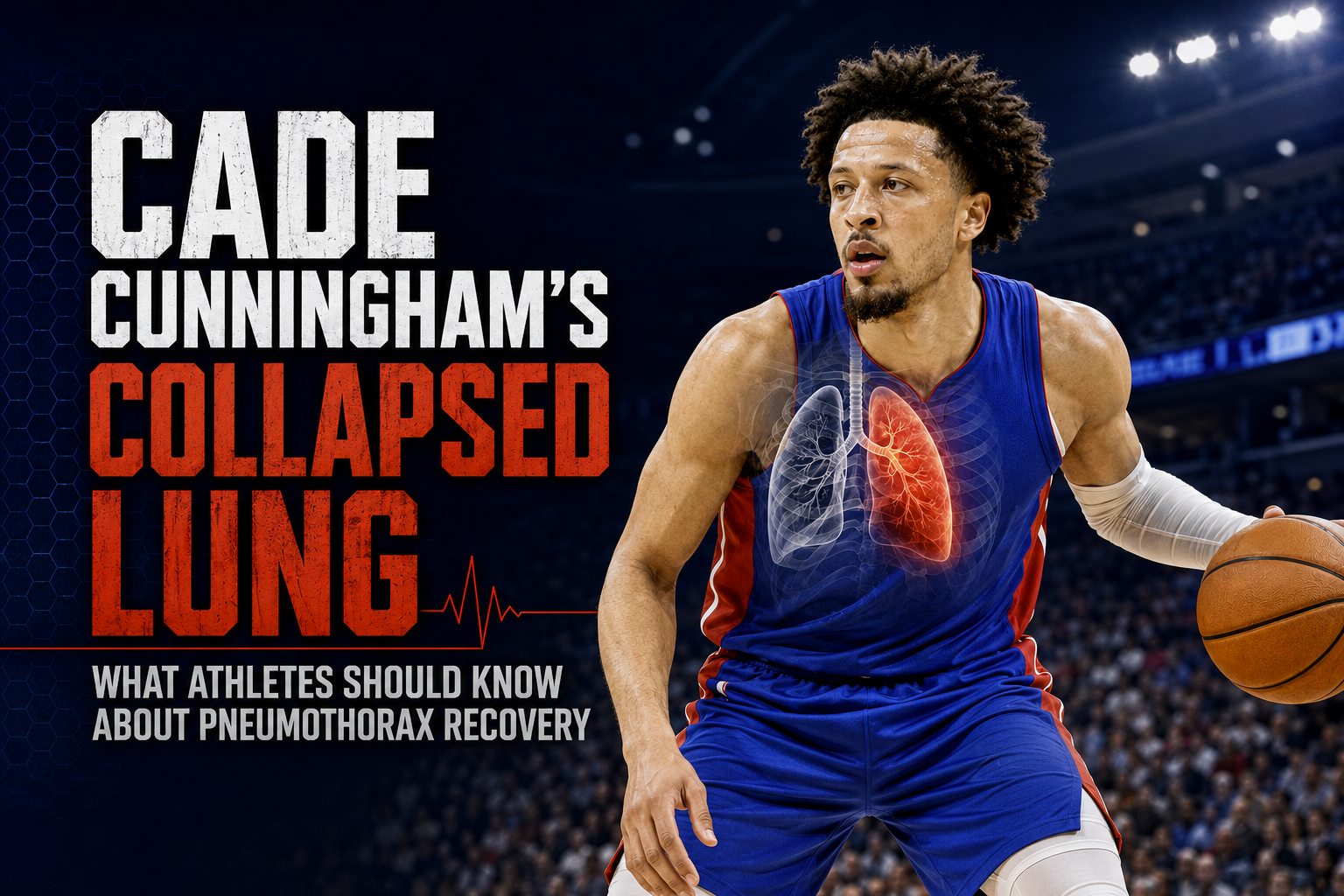
Detroit Pistons Cade Cunningham’s Collapsed Lung: What Athletes Should Know About Pneumothorax Recovery

When Detroit Pistons star Cade Cunningham returned to the court after suffering a collapsed lung, many fans had the same…

read more…
Tarik Skubal Elbow Surgery: Dr. Jeff Pierce Explains Why “Loose Bodies” May Not Be a Worst-Case Injury

Tarik Skubal Elbow Surgery: Dr. Jeff Pierce Explains Why “Loose Bodies” May Not Be a Worst-Case Injury

Detroit Tigers fans understandably reacted with concern when news broke that ace pitcher Tarik Skubal would undergo elbow…

read more…
Terrion Arnold Shoulder Injury: What Detroit Lions Fans Can Learn About Football Shoulder Injuries

Terrion Arnold Shoulder Injury: What Detroit Lions Fans Can Learn About Football Shoulder Injuries

Detroit Lions cornerback Terrion Arnold has quickly become one of the most talked-about young defensive backs in Detroit. A…
read more…
4 Exercises to Alleviate and Avoid Back Pain

4 Exercises to Alleviate and Avoid Back Pain

Did you know that 80% of people will experience low back pain at some point in their life? And our often-sedentary…

read more…
4 Tips for Getting BACK into Exercising After Quarantine

4 Tips for Getting BACK into Exercising After Quarantine

Have you recently had a hiatus from your workout routine? You’re not alone! MSSC is here to help you ease back into…
read more…
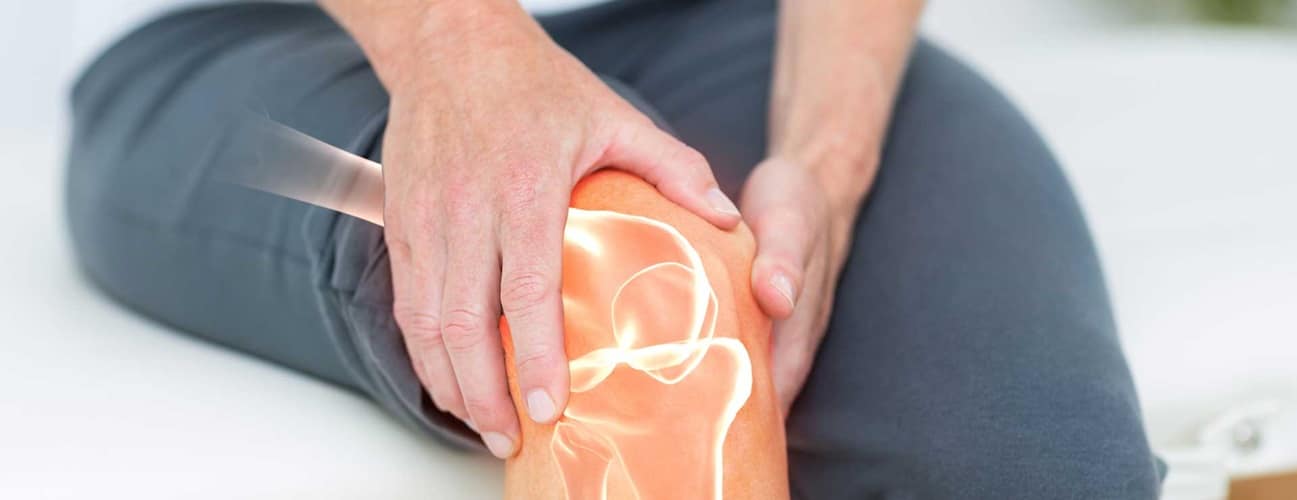
Three Things to Know: Chronic Knee Pain

Three Things to Know: Chronic Knee Pain

With spring upon us, it is time to get outside and get active! It is an excellent time of year to set some goals to…

read more…
« Older Entries
  • Facebook
  • X
  • Instagram
  • RSS
Copyright ©2025 all rights reserved